Category: Food

There is no sincerer love than the love of food

  • The Pantry Dinner That Tastes Like You Planned It

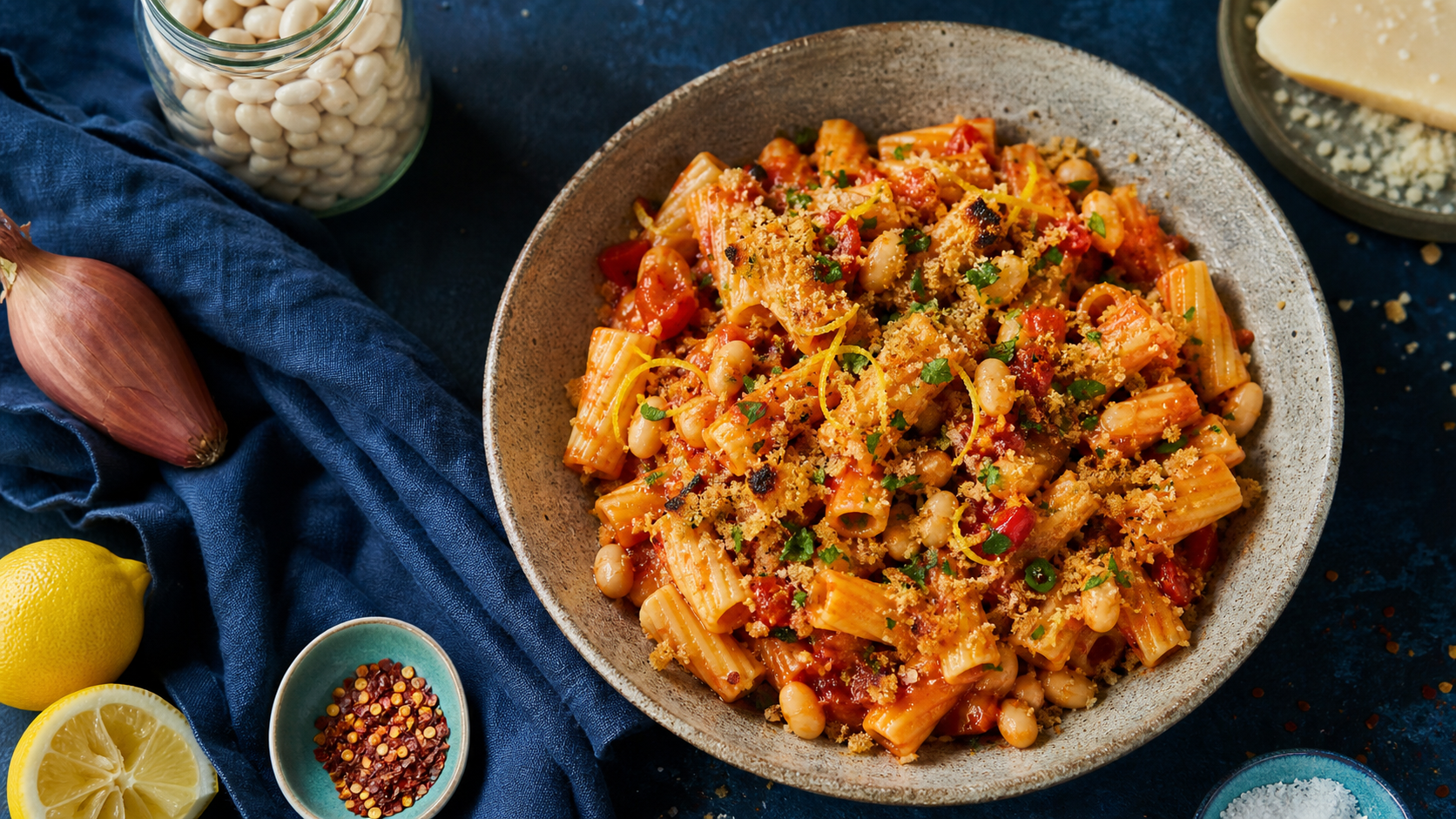
    A bowl of glossy pantry pasta with beans, breadcrumbs, lemon and herbs

    A useful pantry dinner is not a compromise meal. It is a system: something rich, something sharp, something with texture and enough starch or legumes to make the whole thing satisfying. Once the formula is familiar, an apparently empty kitchen becomes surprisingly cooperative.

    Choose the backbone

    Pasta, rice, couscous, lentils or canned beans provide the structure. Cook them with enough salt and save some cooking liquid. That starchy water is not waste; it is the bridge that helps oil, cheese and concentrated ingredients become a sauce.

    Add concentrated flavor

    Tomato paste, anchovies, olives, capers, miso, harissa and preserved lemon all deliver more impact than their size suggests. Use one or two with intention. Fry tomato paste until it darkens, dissolve anchovies into oil or rinse capers before crisping them.

    Find contrast

    Richness needs acidity. Lemon, vinegar or pickled vegetables wake up beans and grains. Soft food needs crunch: toasted breadcrumbs, nuts, seeds or fried onions can transform the final bowl. Fresh herbs are excellent, but dried herbs and a little citrus zest can rescue a herb-free evening.

    Finish in the pan

    Combine the base with the sauce before serving and add cooking water gradually. This step turns separate ingredients into dinner. Taste again after adding cheese, olives or other salty ingredients, and adjust acidity at the end.

    Keep an emergency shelf

    A dependable collection might include pasta, beans, tinned tomatoes, good fish in tins, capers, olives, breadcrumbs and a few assertive condiments. Rotate it through normal meals so the emergency shelf does not become a museum of expired intentions.

    Planning is useful. A flexible pantry is better: it makes dinner possible on the nights when planning has already left the building.

  • The Weeknight Paella Rulebook: Less Drama, Better Rice

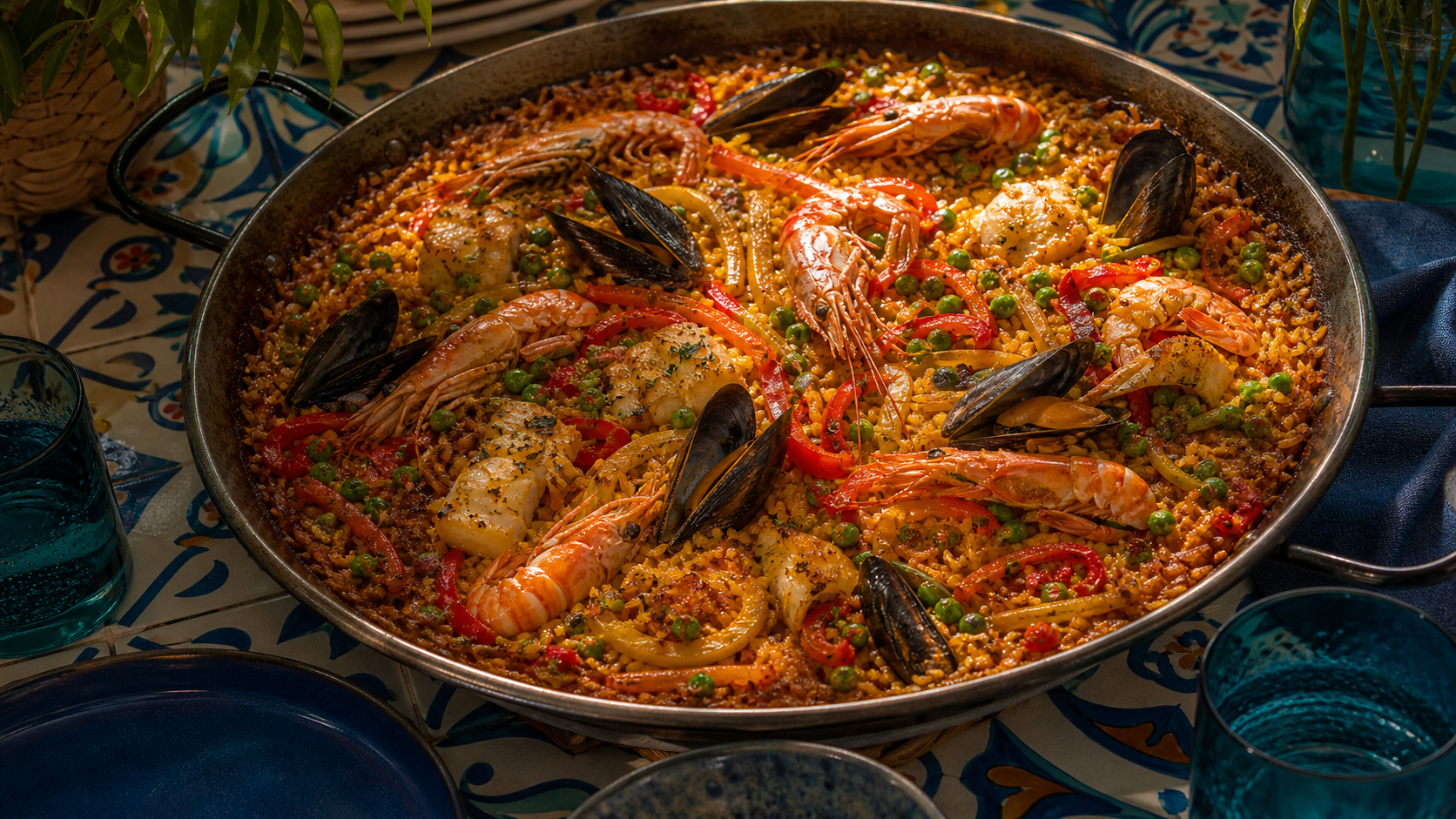
    A broad pan of saffron paella photographed in warm afternoon light

    Paella attracts rules with unusual intensity. Some are essential, some are regional, and some are deployed mainly to win arguments online. For a weeknight kitchen, the useful question is simpler: how do you make a broad pan of deeply flavored rice with a crisp base and ingredients that still taste like themselves?

    Use the widest sensible pan

    Paella depends on a relatively thin layer of rice. A wide pan encourages even cooking and evaporation; a deep saucepan encourages a softer, risotto-like result. Match the amount of rice to the pan rather than filling every available centimetre vertically.

    Build flavor before the liquid

    Brown the main ingredients, then develop a sofrito of aromatics and tomato until it becomes concentrated rather than watery. Bloom spices briefly without burning them. This foundation carries the dish, so give it more attention than the decorative arrangement on top.

    Respect the stock

    The rice absorbs what it is given. Use a stock that tastes good but is not aggressively salty, because evaporation concentrates it. Add saffron if available for aroma and color; do not bury its character beneath an entire spice cupboard.

    Once the rice is settled, leave it alone

    Distribute the grains evenly and resist constant stirring. The aim is separate, flavorful rice rather than released starch. Rotate the pan if the burner heats unevenly, and listen as the liquid disappears.

    Chase socarrat carefully

    The toasted layer on the bottom should smell nutty, not burnt. Near the end, a brief increase in heat can encourage it, but there is no shame in choosing properly cooked rice over a dramatic black crust. Rest the pan for a few minutes before serving.

    The weeknight version does not need to settle every argument about authenticity. It needs good rice, a generous table and enough confidence to stop touching the pan.

  • Paella at HORTA, Amsterdam Zuid: Exactly the Right Kind of Excess

    Paella at HORTA, Amsterdam Zuid: Exactly the Right Kind of Excess

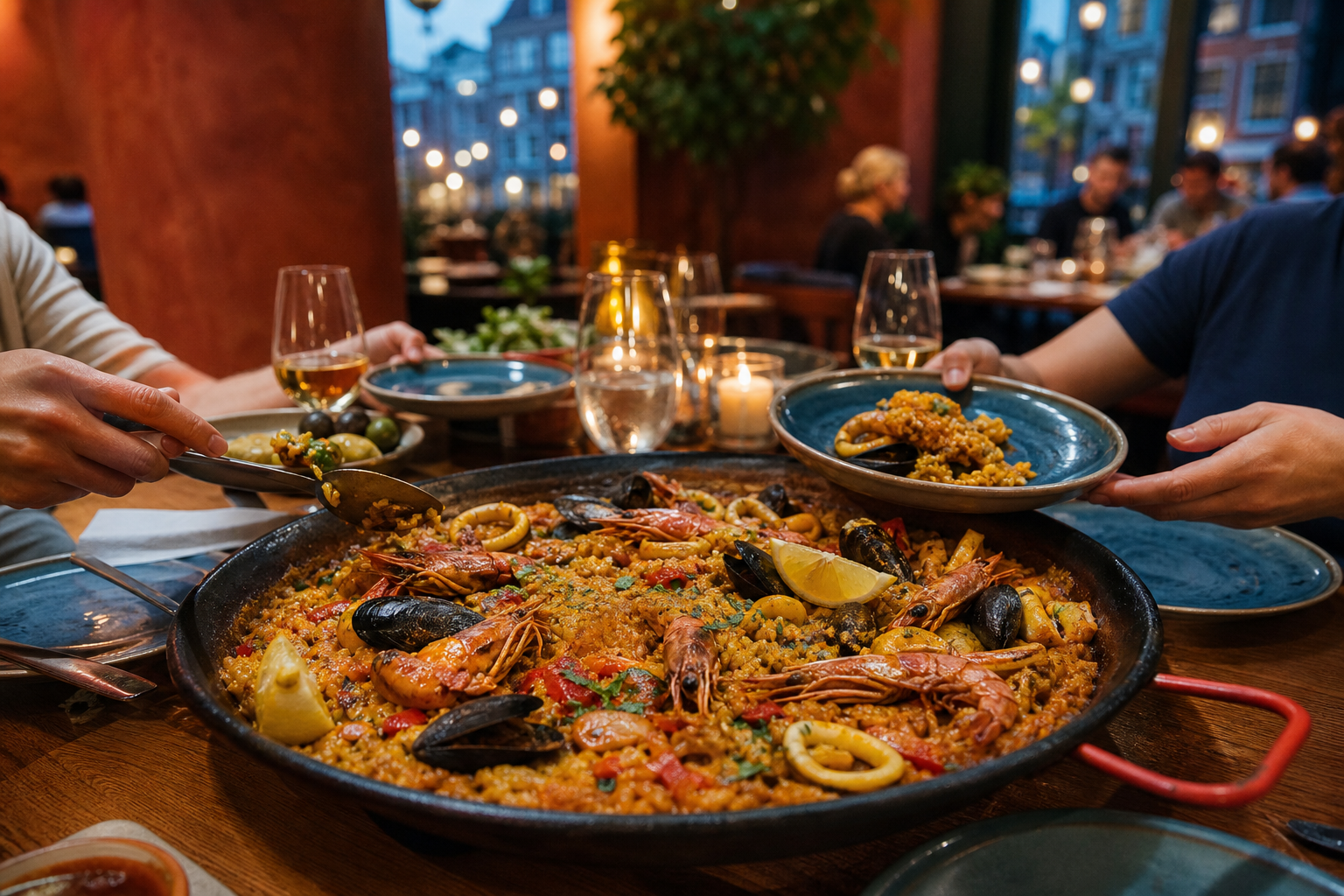
    A generous seafood paella shared at a warm restaurant table

    There are evenings that call for a delicate sequence of small plates. And there are evenings when someone should put an enormous pan of saffron rice in the middle of the table and let everybody become quiet for a moment.

    HORTA, the Spanish restaurant near Amsterdam Zuid, is built for the second kind of evening.

    The pan arrives

    Paella is theatre before it is dinner. You smell the toasted rice and stock first. Then come the prawns, mussels, squid, peppers and lemon, all competing for attention. The best part is the socarrat: that caramelised layer on the bottom of the pan that makes otherwise polite people negotiate over the final spoonful.

    At HORTA, the pleasure is in the sharing. Plates move around, wine gets poured, somebody claims they are completely full and then continues eating directly from the pan. It feels generous and celebratory without requiring a special occasion.

    Amsterdam outside, Spain at the table

    The area around Zuid can feel brisk and businesslike. That contrast makes a warm Spanish meal even better. Inside, the pace changes. Paella is not fast food, and waiting for it is part of the point: order a drink, argue about whether one more starter is sensible, and let the kitchen do its work.

    Is it subtle? Not particularly. Is that a problem? Absolutely not. Saffron, seafood, crispy rice, wine and friends are allowed to be obvious pleasures.

    Verdict: Go hungry, order for the table and defend your share of the socarrat.

    Restaurant: HORTA Amsterdam. Header photograph is an original editorial visual rather than a documentary photo of the restaurant.

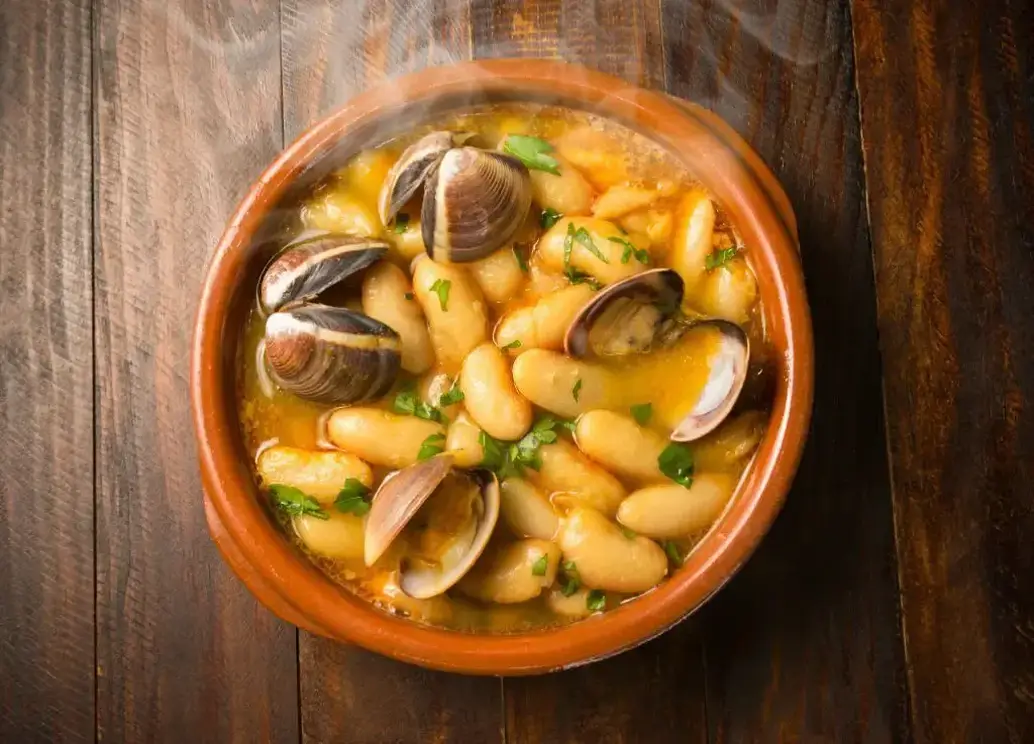
  • Fabes con Almejas (Asturian Beans with Clams) – A Comforting Spanish Classic

    Fabes con Almejas (Asturian Beans with Clams) – A Comforting Spanish Classic

    A deeply comforting dish from Asturias, Spain, Fabes con Almejas combines buttery white beans with fresh clams in a rich, flavorful broth. Slow-cooked to perfection, this traditional recipe is the essence of Spanish home cooking. Serve with crusty bread and a glass of Asturian cider for an authentic experience!


    🕒 Prep & Cooking Time

    Prep Time: 15 minutes (+12-18 hours soaking time for beans)

    Cook Time: 2 hours 30 minutes

    Servings: 4


    📌 Ingredients

    For the Beans (Les Fabes):

    500g dried Asturian faba beans (or high-quality white beans)

    1 sweet onion

    1 large leek

    3 medium carrots, peeled

    4 garlic cloves, peeled

    4 bay leaves

    A drizzle of olive oil

    Water or seafood broth (enough to cover the beans)

    Salt, to taste

    For the Clams:

    700g fresh clams (preferably Galician clams)

    1 sweet onion, finely chopped

    3 garlic cloves, minced

    1 tsp sweet paprika (or 4-5 strands of saffron)

    1 tbsp wheat flour

    125ml dry white wine

    Olive oil (for frying)

    1 large cayenne pepper (optional, for spice)

    Fresh parsley, chopped

    Salt, to taste


    📌 Instructions

    Step 1: Soak the Beans (The Night Before)

    1. Rinse the dried beans under cold water.

    2. Place them in a large bowl and cover with plenty of cold water (they absorb a lot).

    3. Leave to soak for 12-18 hours.


    Step 2: Cook the Beans

    1. Drain the soaked beans and place them in a large pot.

    2. Add fresh water or seafood broth—enough to cover them, plus an extra 2 fingers’ width.

    3. Bring to a boil over high heat, then reduce to low heat.

    4. Add onion, leek, carrots, garlic, a drizzle of olive oil, and bay leaves.

    5. Cook gently for 2 hours, stirring only by shaking the pot (not with a spoon) to prevent breaking the beans.

    6. After 45 minutes, add salt to taste.

    7. Once cooked and tender, remove the vegetables from the pot and discard.


    Step 3: Prepare the Clams

    1. While the beans cook, rinse the clams thoroughly under cold water.

    2. Place them in a bowl of cold salted water and let them soak for 2 hours to remove sand.

    3. Just before cooking, drain and rinse the clams.


    Step 4: Cook the Clams

    1. In a large pan, heat a drizzle of olive oil over medium-low heat.

    2. Add garlic and onion, cooking for 5-7 minutes until soft (but not browned).

    3. Stir in paprika or saffron, crushed cayenne, and flour, mixing well.

    4. Pour in white wine, add clams, and season with salt.

    5. Cover with a lid and cook for 2-3 minutes until the clams open. Discard any that remain closed.

    6. Stir in fresh parsley and mix.


    Step 5: Combine & Serve

    1. Gently pour the cooked clams and their flavorful broth into the pot of beans.

    2. If needed, add a little reserved bean broth to achieve a creamy consistency.

    3. Simmer for 3-4 minutes over low heat to let the flavors meld.

    4. Remove from heat and let rest for 15 minutes before serving.

    Serve hot in rustic earthenware bowls, with crusty bread and a glass of Asturian cider! 🍷


    📌 Tips & Notes

    Always soak dried beans—this shortens cooking time and ensures a creamy texture.

    Slow cooking is key—never boil beans too hard, or they’ll break.

    Move the pot, don’t stir! Stirring with a spoon can break the beans.

    Use fresh clams, ideally bought on the same day.

    Don’t skip soaking the clams! It removes any grit or sand.

    For extra flavor, blend some of the cooked vegetables and add them back to the broth.


    Why You’ll Love This Recipe

    Traditional & Authentic – A taste of real Asturian cuisine.

    Slow-Cooked Comfort – Perfect for cozy, hearty meals.

    Rich & Flavorful – The beans absorb the seafood broth beautifully.

    Enjoy this classic Spanish dish—deeply comforting, packed with flavor, and perfect for sharing! 🇪🇸🍲
  • Quick & Easy Sesame Prawn Toast Recipe

    Quick & Easy Sesame Prawn Toast Recipe


    🕒 Prep Time: 10 mins
    
    🔥 Cook Time: 5 mins
    
    🍽 Servings: 12 pieces


    Ingredients:

    • 200g raw prawns (de-veined, de-shelled)
    • 1 tsp minced ginger
    • 2 cloves garlic (minced)
    • 1 egg white
    • 2 spring onions, chopped
    • 1 tsp light soy sauce
    • ¼ tsp white pepper
    • ¼ tsp salt
    • 3 slices thick white bread (cut into triangles)
    • 6 tbsp sesame seeds
    • 1L vegetable oil (for frying)

    To Serve:

    • 1 tbsp chopped fresh coriander (optional)
    • 2 tbsp sweet chili sauce


    Instructions:

    1. Prepare the filling: In a mini food processor, blend the prawns, ginger, garlic, egg white, spring onions, soy sauce, salt, and white pepper into a smooth paste.

    2. Cut & spread: Slice the bread into triangles and evenly spread a heaped tablespoon of prawn paste onto one side of each.

    3. Coat with sesame: Dip the prawn-covered side into sesame seeds, ensuring an even layer.

    4. Fry to perfection: Heat the oil in a deep pan or wok (test with a small piece of bread—it should sizzle). Fry triangles prawn-side down for 1-2 minutes, flip, then fry for another 30-60 seconds until golden brown.

    5. Serve hot: Drain on kitchen paper, sprinkle with coriander, and serve with sweet chili sauce.


    Pro Tips & Storage:

    Make Ahead: The prawn mixture can be refrigerated for up to 4 hours before spreading onto bread.

    Freezing: Fry, cool, and freeze in an airtight container. Reheat at 200°C (400°F) for 7-8 minutes.

    Baking Option: Brush the bread side with oil and bake at 240°C (475°F) for 10 minutes, flipping halfway.


    Why You’ll Love It:

    Crispy & Flavorful – The perfect crunch with juicy prawn filling.

    Fast & Easy – Ready in 15 minutes.

    Better Than Takeaway – No more oily, skimpy prawn toast!

    Make a batch, dip in sweet chili sauce, and enjoy every crunchy, sesame-coated bite! 🍤✨